El Phantasma
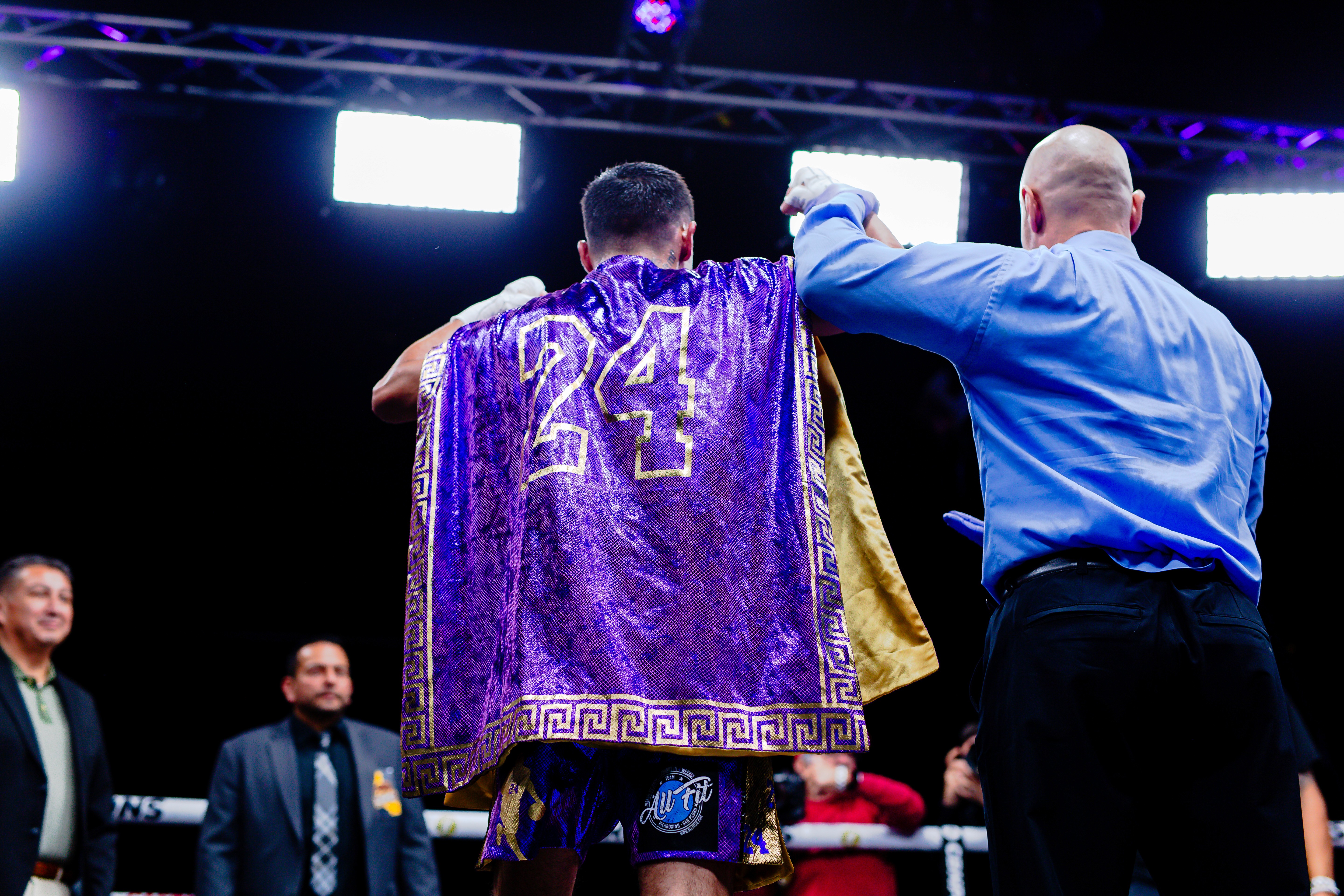
Captured editorial sports photography for professional boxer George "El Phantasma" Navarro during a sanctioned fight night, documenting the moments from fight night. Starting from locker room rituals to an in ring victory. The work focused on the emotion, tension, culture, and live action surrounding the fight, creating a visual story built from prayer, preparation, focus, and the final victory moment in the ring.
Category:
Editorial Sports Photography
Author:
Johnny Baru Media
Read:
5 Mins
Location:
Long Beach, CA
Date:
Mar 30, 2024
The Story Started Before the Bell Rang
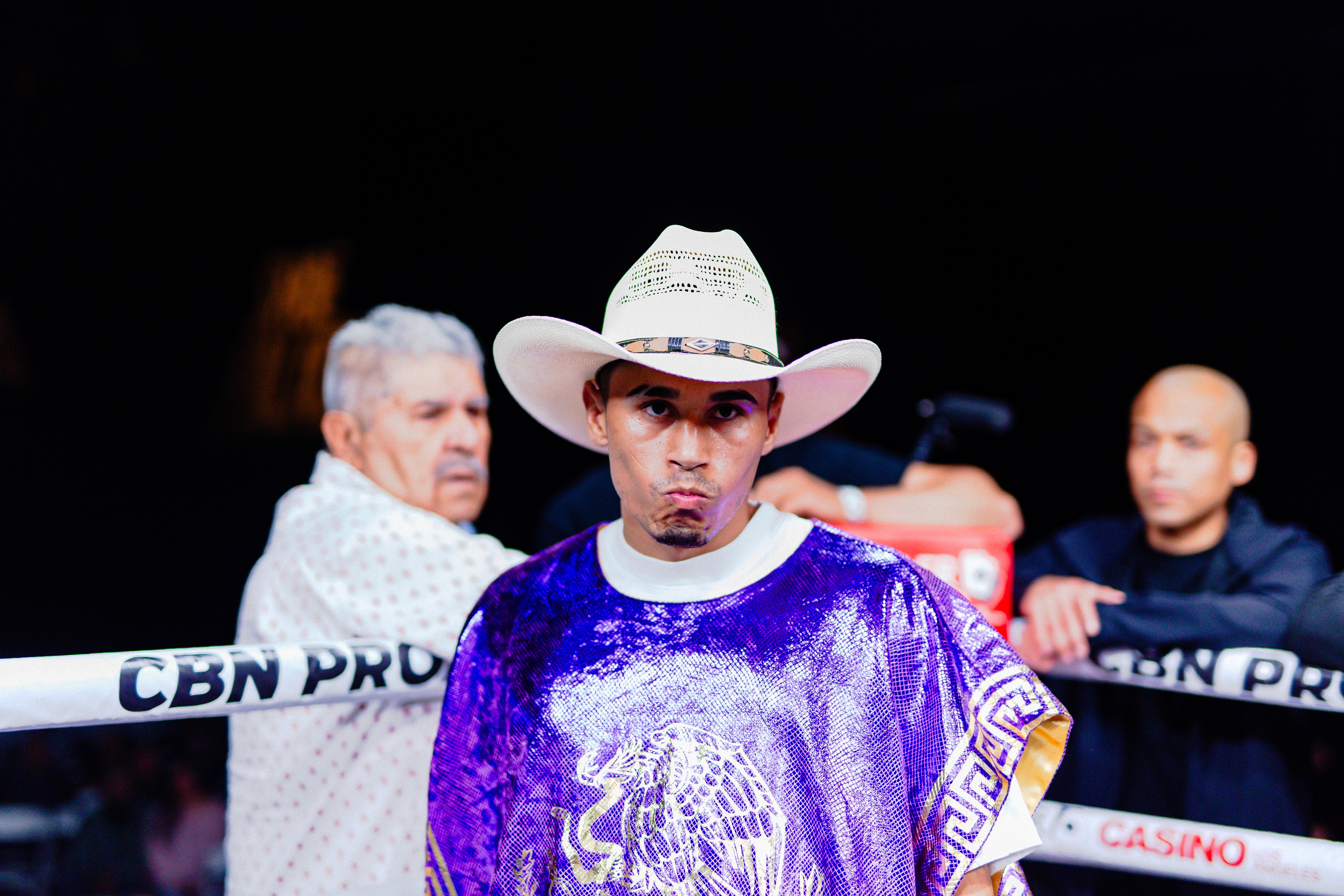
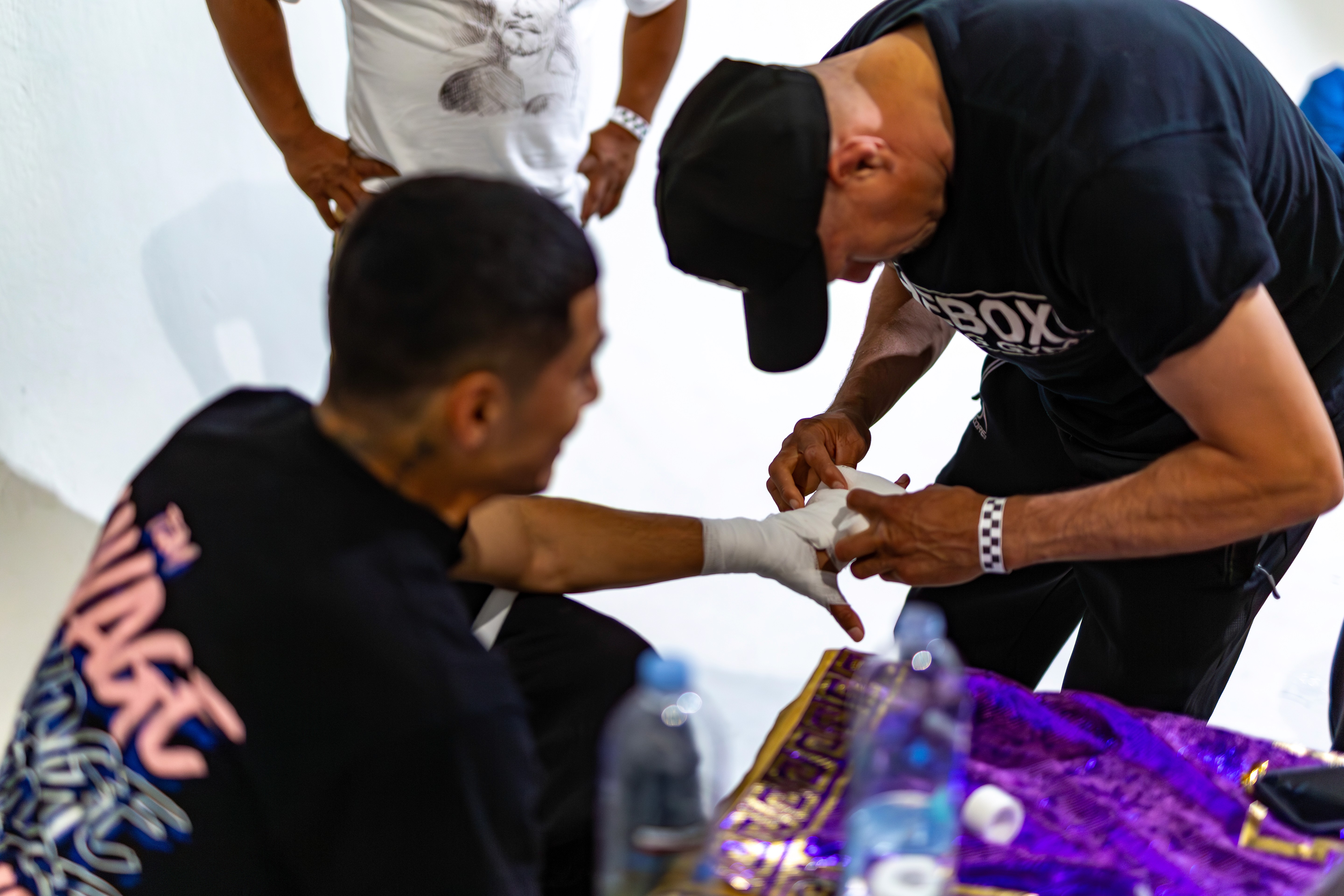
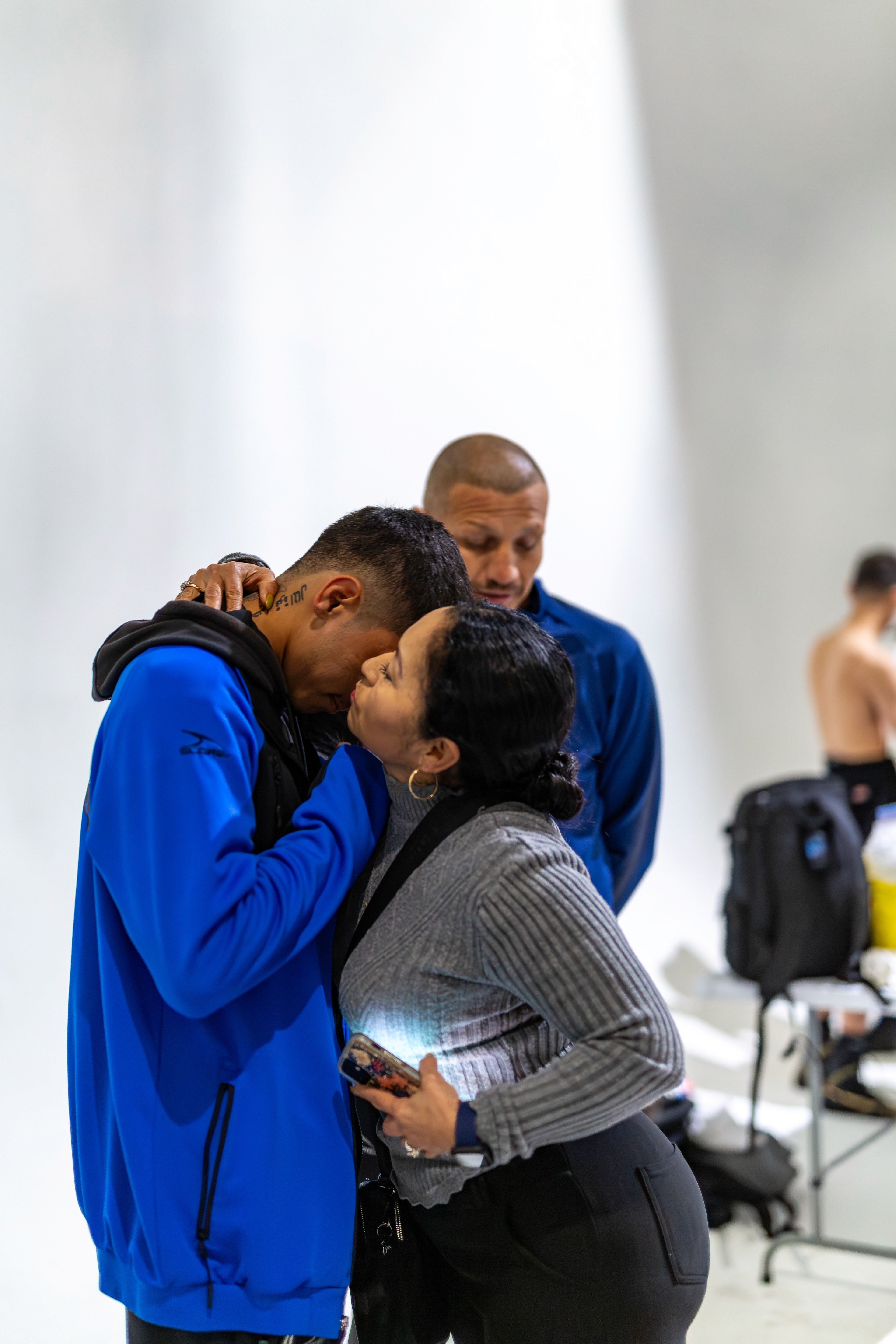
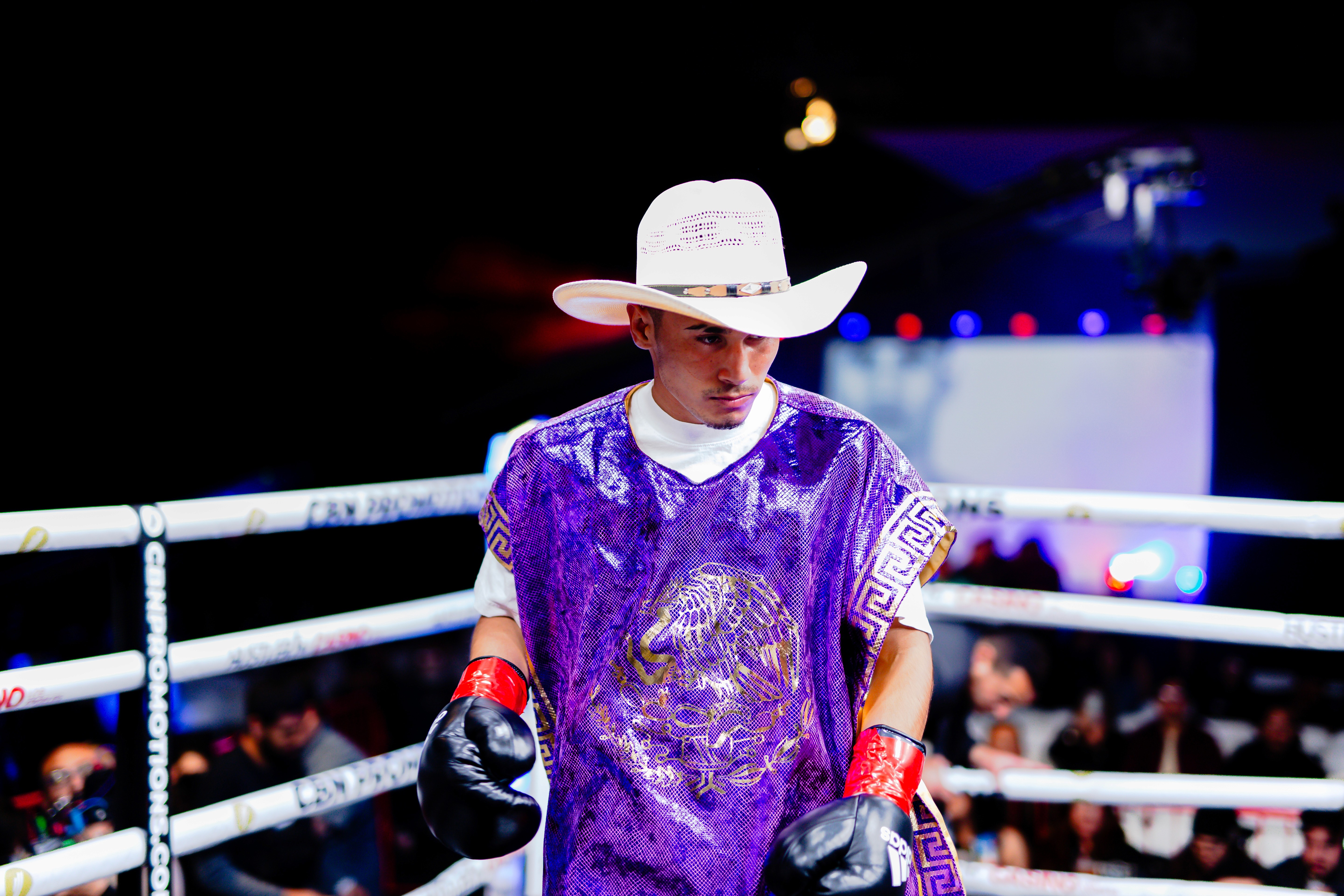
The strongest fight night images rarely begin in the ring. For George “El Phantasma” Navarro, the visual story started in the locker room in the stillness before the noise, in the ritual before the violence, and in the people who helped shape the moment before he ever stepped in to the lights and through the ropes. The assignment was to document a sanctioned professional fight with access that moved beyond standard ringside coverage. That meant photographing George in the locker room, following him through the ring walk, and continuing through the fight itself. The result was a fuller visual narrative: hand wraps with former world champion Jesús Soto Karass, a quiet pre-fight prayer with his tía, the cowboy hat and Kobe Bryant serape in his corner, and the focused stare of a fighter already mentally inside the ring before the bell ever sounded.
The Fight Was Only Part of the Night
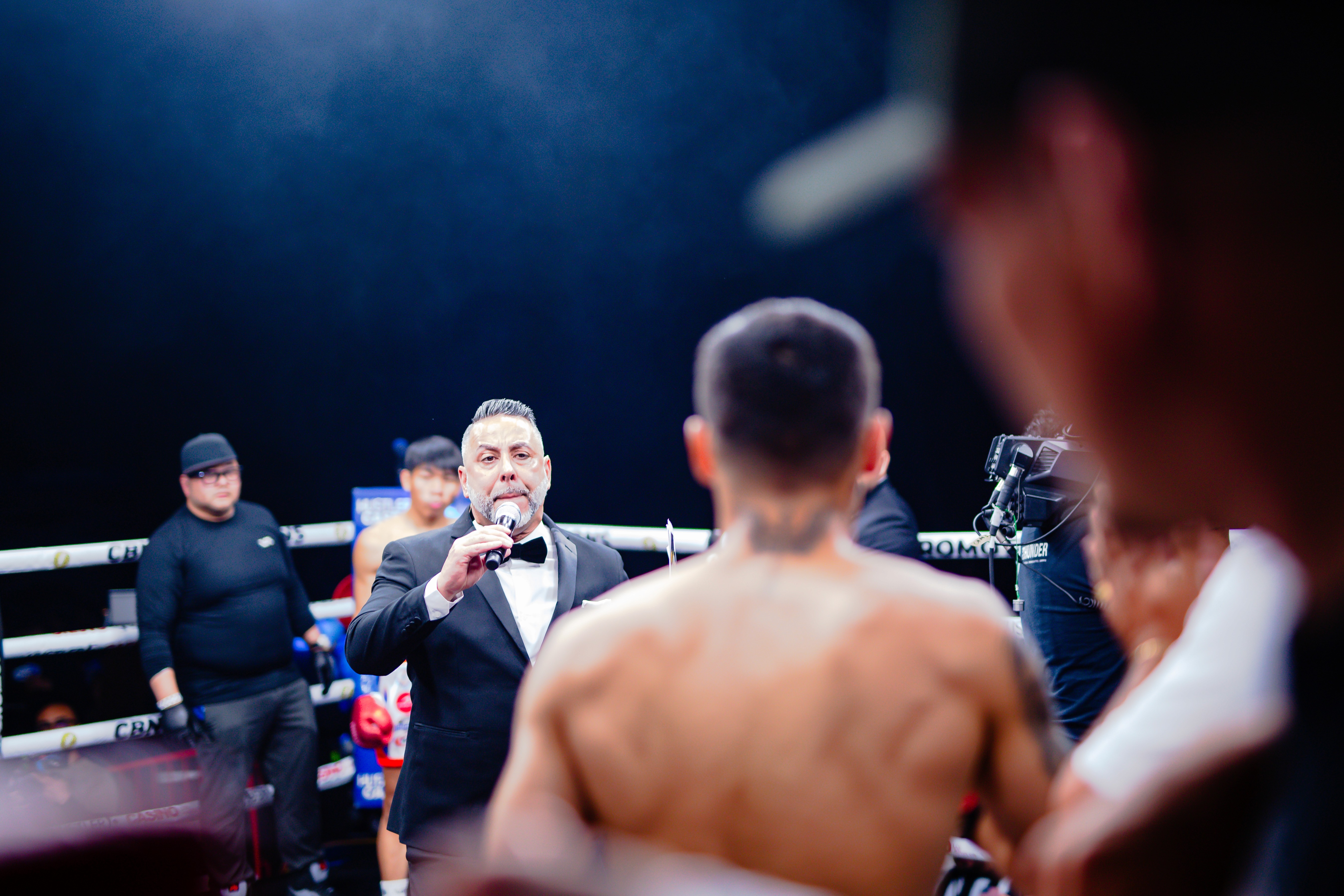
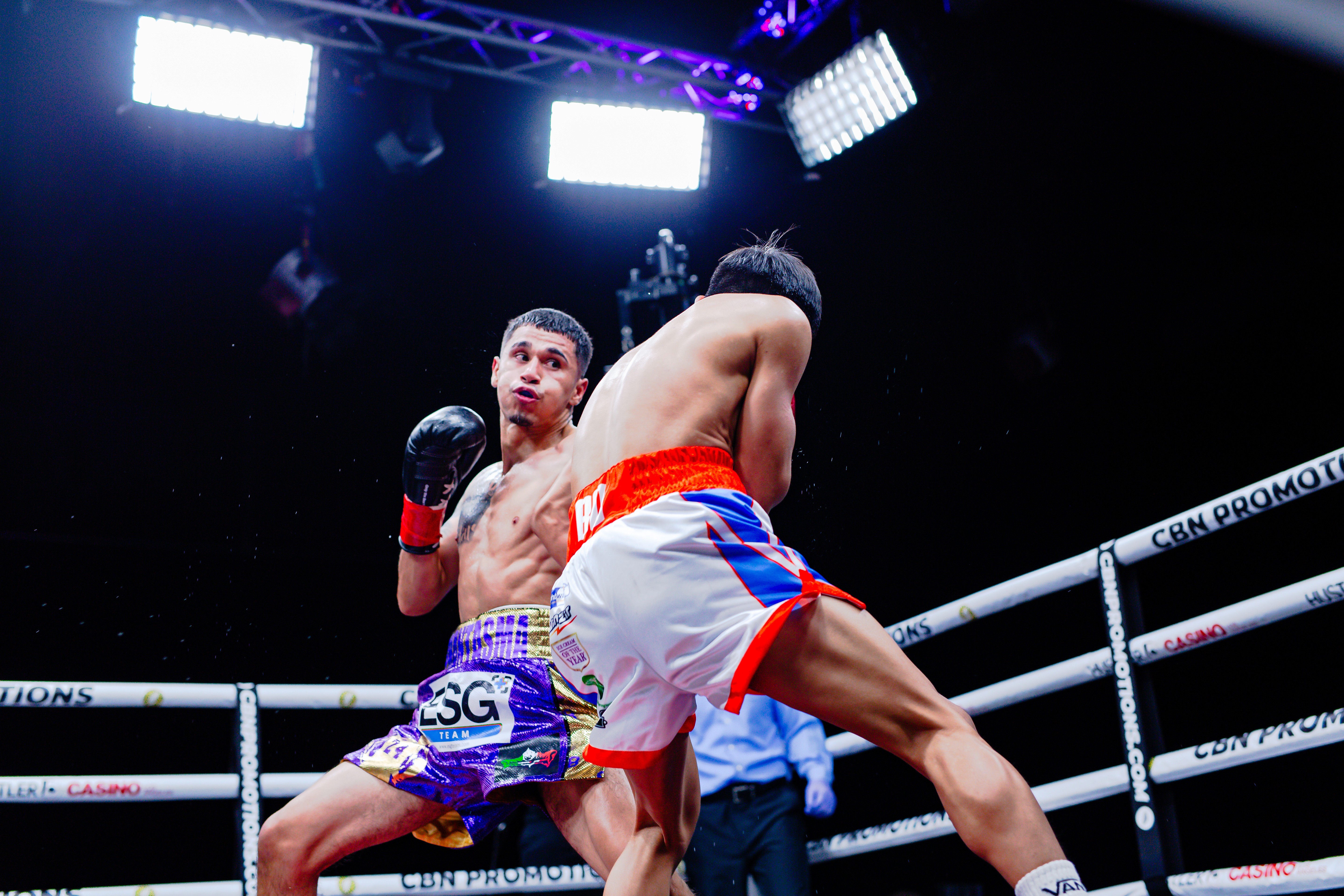
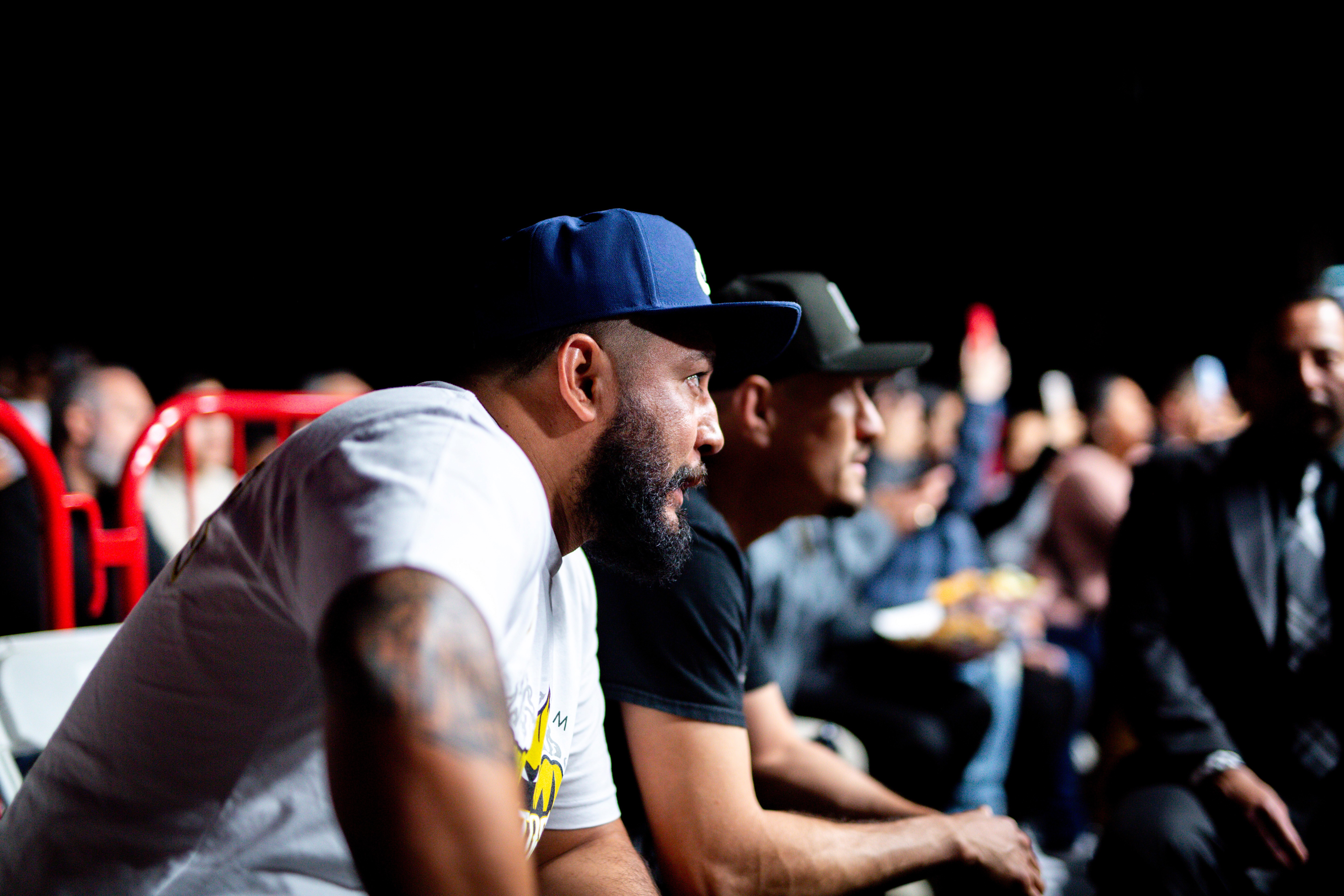
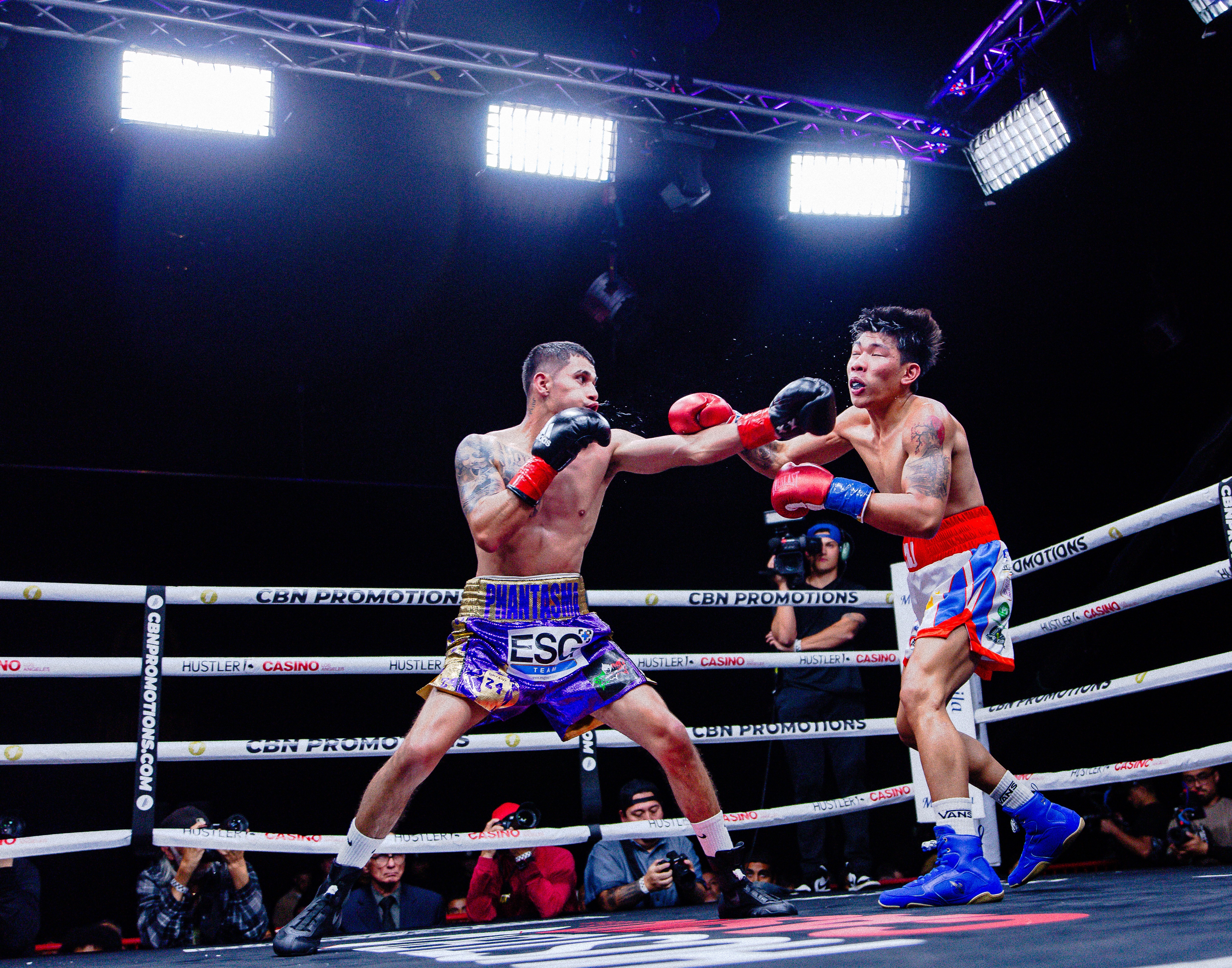
What made the coverage strong wasn’t just the access it was what the access revealed. The night carried a mix of tension, fight culture, and anticipation that built as the main event approached. George’s ring walk identity was deeply personal: a cowboy hat, a Lakers-colored serape marked with 24 on the back, and a Mexican seal on the front gestures of pride that pointed back to where he comes from. Every fighter believes they will win, but there’s always an uncertainty before the first bell. That space is the calm before impact it is where the weight of the night sits. In George’s corner, that weight showed in quiet confidence, in the people around him, and in the focus that held everything together. Some of the most important frames came before any punches were thrown. Jesús Soto Karass wrapping George’s hands. George and his tía praying while Soto Karass stood nearby, hat removed, hands behind his back. George looking across the ring as introductions were made. Soto Karass and Rene Ordorica steady behind him in the corner, locked into position. These moments carried the emotional structure of the fight. From there, the action became part of the same narrative left hooks to the body, a clean shot upstairs sending sweat into the air, coaches watching from their seats as the California commissioner looked on, and finally the frame from behind George as the referee raised his arms in victory. By the end, the story was already in place. The final set of images yes documented a bout but it also became an editorial record of what fight night holds: family, discipline, nerves, pride, violence, patience, and release. The photography carried George not only as a boxer, but as someone moving through ritual, pressure, and resilience. The project reinforced a simple truth about sports storytelling. Access matters, but knowing where the actual moments live matters more. Sometimes it’s in the punch. Sometimes it’s in the prayer before it. When those moments are read correctly and held together, the work becomes more than coverage it becomes the shape of the night itself.
Documentary Work Is Important
Documentary work carries a responsibility beyond access. It isn’t about collecting moments, but about understanding what those moments mean in sequence and choosing not to overstate them. In environments like fight night, where emotion, risk, and preparation overlap, the temptation is to turn everything into impact. But the story is rarely in the impact alone. It’s in what leads to it, what surrounds it, and what it leaves behind. The camera’s role is to clarify without reshaping to stay close enough to witness, but distant enough not to interfere. When that balance is held, the work stops trying to elevate the moment and instead reveals it. That’s where its value sits: not in making the night bigger than it was, but in showing how it actually unfolded.